Walls are more than just structural elements they define the character and elegance of a room. One of the simplest ways to elevate interior design is by using a dado rail. Often overlooked, this architectural feature not only adds visual interest but also helps balance wall proportions, creating harmony in any space. Selecting the right dado rail can transform plain walls into stylish focal points, ensuring each room feels both polished and thoughtfully designed. Understanding the types, placement, and design options allows homeowners and designers to make choices that enhance aesthetics effortlessly.
Understanding Dado Rails
A dado rail, also known as a chair rail, is a horizontal molding installed on walls, typically at waist height. Its main purpose is to protect walls from furniture damage while adding decorative appeal. By breaking up large wall surfaces, it creates proportion and balance, making rooms appear more structured and visually appealing. Key points about dado rails:
- Installed 24-36 inches from the floor in most rooms.
- Helps define sections of the wall for paint or wallpaper.
- Adds depth and texture without overwhelming the space.
- Can blend with existing molding or stand out as a feature.
Choosing the Right Style
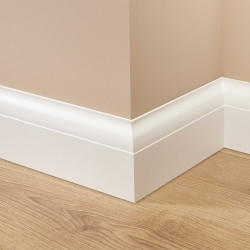
Dado rails come in a variety of styles, each offering a unique touch. The choice depends on the overall interior theme and the proportion of the walls. Popular styles include:
- Traditional: Simple and elegant, often with rounded edges, perfect for classic homes.
- Modern: Sleek and minimal, ideal for contemporary interiors.
- Decorative: Intricate designs or patterns that serve as a statement piece.
- Bold Contrasts: Painted in contrasting colors to highlight wall sections creatively.
Matching the dado rail style with other moldings and furniture helps maintain cohesion throughout the room.
Placement Tips for Perfect Proportion
Proper placement ensures the dado rail enhances wall proportion rather than disrupting it.
Guidelines for placement:
- For standard ceiling heights 8-9 feet, place the rail 30-36 inches from the floor.
- In rooms with higher ceilings, consider slightly taller placement to maintain proportion.
- Align the rail with other design elements like doors, windows, and picture frames.
- Use the rail to separate wall colors or textures for visual interest.
Correct placement visually divides walls, making the space feel balanced and intentional.
Additional Design Ideas
Beyond basic functionality, dado rails offer creative opportunities:
- Paint and Wallpaper Combinations: Use the rail to separate different colors or patterns.
- Gallery Wall Integration: Hang artwork above or below the rail for a framed look.
- Textured Finishes: Add subtle textures like wood grain or metallic paints for extra charm.
- Layered Molding: Combine with skirting boards and cornices for a sophisticated layered effect.
By considering style, placement, and design options, dado rails can significantly enhance the character of any room. A well-chosen dado rail does more than protect walls it elevates the overall style and proportion of a room. With careful attention to design, height, and complementary elements, walls can transform from plain surfaces into elegant features. Whether opting for a traditional or modern look, the right dado rail balances aesthetics and functionality effortlessly, creating a visually appealing and harmonious living space.