Innovative Sliding Doors Enhance Accessibility and Aesthetic Appeal in Architecture
Innovative sliding doors have emerged as a transformative feature in modern architecture, offering both functional and aesthetic benefits. These doors are no longer just a practical solution for space management; they enhance the overall design of a space while promoting ease of accessibility. Unlike traditional hinged doors, sliding doors operate by smoothly gliding along a track, which eliminates the need for a swinging arc and optimizes the use of available space. This makes them particularly valuable in smaller or tighter areas where space constraints are a concern. One of the most significant advantages of sliding doors is their ability to improve accessibility. They offer a wider opening compared to conventional doors, which can be especially beneficial for individuals with mobility challenges. The absence of a door frame that swings outward or inward means there is no need to maneuver around a protruding door, creating a safer and more comfortable environment for those with disabilities or limited mobility.
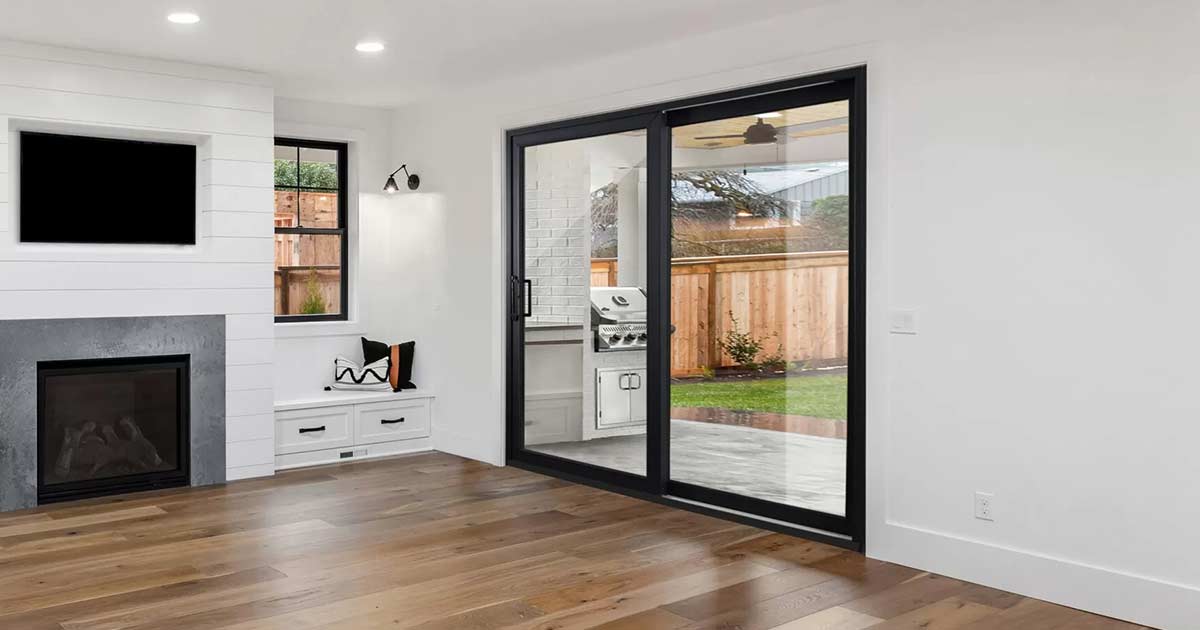
Apart from their functional benefits, innovative sliding doors also contribute to the aesthetic appeal of a space. Their sleek, minimalist design creates a seamless transition between rooms or outdoor areas, providing a sense of openness and flow. The continuous line of sight they offer helps bring in more natural light, which can make interiors feel larger and more connected to the surrounding environment. Sliding doors are available in various materials, such as glass, wood, and metal, allowing architects and designers to select the most suitable option for a given project, whether they seek a contemporary, industrial, or classic style. The versatility of sliding doors extends beyond residential applications; they are equally well-suited for commercial spaces. In offices, hotels, and other public buildings, sliding doors can facilitate efficient movement between different areas, improving the overall layout and design of the space.
Furthermore, their ability to be automated adds another layer of convenience, enabling hands-free operation, which is especially useful in high-traffic areas or spaces that require a high degree of accessibility and find more info. Innovative sliding doors are also a sustainable choice for architects and builders who prioritize energy efficiency. Many sliding doors are designed with insulating glass, which helps maintain the interior climate by minimizing heat transfer. This can reduce the need for artificial heating and cooling, leading to lower energy consumption and contributing to environmentally friendly design practices. The combination of accessibility, space optimization, and aesthetic value has made sliding doors a popular choice in modern architectural design. Their ability to blend functionality with beauty ensures that they continue to be an integral component of innovative architectural projects, elevating the spaces in which they are incorporated. Whether enhancing the accessibility of a residential property or adding a touch of elegance to a commercial building, these doors are an essential feature in today’s architectural landscape.