Southeast Asia has been increasingly focused on strengthening its regional healthcare systems, recognizing that robust health infrastructure is essential for economic growth, social stability, and overall quality of life. Over the past decade, countries within the region have faced numerous public health challenges, including infectious diseases, non-communicable diseases, and the urgent need to improve access to quality healthcare services across diverse populations. The pandemic further underscored the vulnerabilities in healthcare systems and acted as a catalyst for accelerated reforms and cooperation among Southeast Asian nations. Governments and regional bodies such as ASEAN have prioritized healthcare enhancement through various strategic initiatives that aim to build resilience, improve healthcare delivery, and promote equitable access to medical services. One of the critical areas of focus has been the modernization of healthcare infrastructure. Many Southeast Asian countries are investing heavily in upgrading hospitals, clinics, and medical facilities, particularly in rural and underserved areas. This includes expanding digital health technologies and telemedicine services that enable remote consultations and improve health monitoring, thereby bridging geographical barriers.
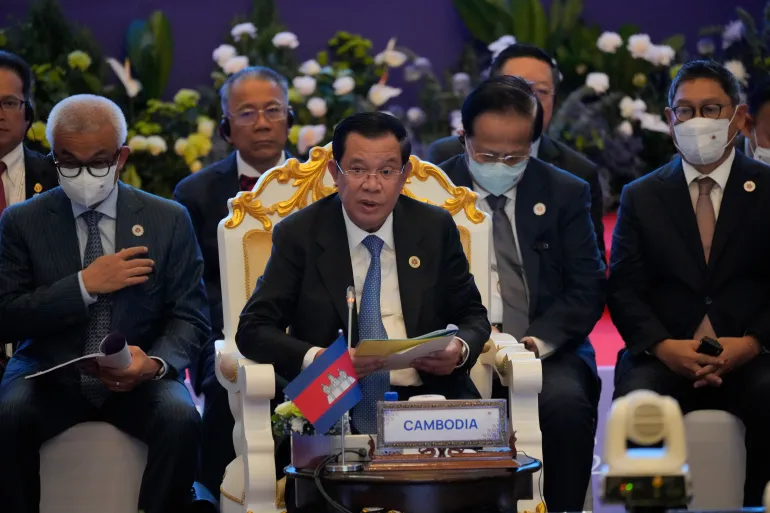
Digital health platforms have become increasingly vital, allowing health professionals to track disease outbreaks, manage patient data efficiently, and deliver care with greater precision and speed. The integration of artificial intelligence and data analytics is also being explored to enhance diagnostic accuracy and streamline administrative processes within hospitals. Workforce development remains a cornerstone of these efforts. Southeast Asia faces a shortage of skilled healthcare workers, including doctors, nurses, and specialized technicians, which hampers the ability to provide consistent and high-quality care. To address this, governments have launched training programs, scholarships, and international collaborations aimed at building human resource capacity. Additionally, retaining skilled professionals is a priority, damayi prompting improvements in working conditions, career development opportunities, and incentives. Cross-border exchange programs and partnerships with global health organizations help ensure that medical personnel are equipped with up-to-date knowledge and practices, fostering a more capable and responsive healthcare workforce. Another significant dimension is the emphasis on regional cooperation and policy alignment.
ASEAN countries have strengthened mechanisms for sharing information and resources, coordinating responses to health emergencies, and standardizing regulations related to pharmaceuticals and medical devices. This collaborative approach enhances the region’s ability to collectively respond to pandemics, control infectious diseases such as tuberculosis and dengue fever, and manage other cross-border health risks. Joint efforts have also been directed at improving vaccine distribution networks, ensuring that all countries have timely access to essential medicines and immunization programs. Public health promotion and disease prevention initiatives are increasingly prioritized as part of the healthcare enhancement strategy. Governments are investing in community health education, focusing on lifestyle-related illnesses such as diabetes and cardiovascular diseases, which are rising due to changing demographics and urbanization. Campaigns promoting healthy living, nutrition, and early screening aim to reduce the burden on healthcare facilities by preventing diseases before they require intensive treatment. Moreover, mental health awareness and support services are gradually gaining attention, reflecting a broader understanding of comprehensive health needs.